Affordable Residential & Commercial Concrete Contractors Near You
From Ground Up to Final Touches: Discovering Complete Concrete Solutions
Concrete solutions play a vital role in construction, delivering both resilience and adaptability. From laying strong foundations to adding decorative touches, these services cater to a variety of needs. Recognizing the advantages and choices at hand is key to making well-informed decisions. As projects evolve, the choice of materials and techniques can greatly influence both function and aesthetics. What criteria should be evaluated when choosing a service provider, and how can upkeep prolong the lifespan of these structures?
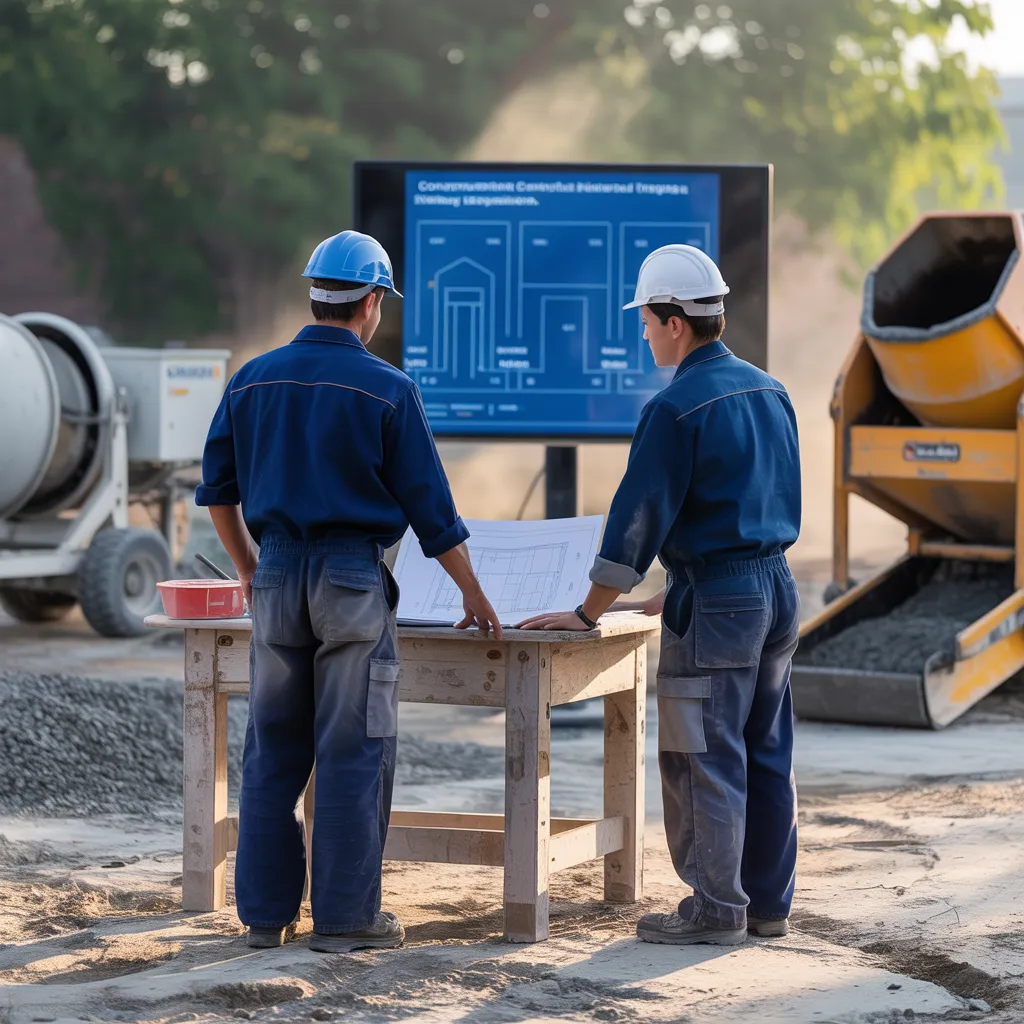
Understanding the Key Benefits of Concrete Services
Why are concrete services vital for construction projects? Concrete services deliver a core element that is critical to the structural strength and durability of any structure. They provide flexibility, enabling a wide variety of applications from flooring to walls, ensuring that each project can satisfy particular design and functional needs. The durability of concrete, resistant to weather and wear, contributes to reduced maintenance costs over time, making it a cost-effective solution. Moreover, concrete services can boost energy efficiency by leveraging thermal mass, which aids in stabilizing indoor building temperatures. These services additionally promote environmental sustainability by making use of recyclable materials and cutting down on waste. In addition, experienced concrete specialists ensure that projects comply with safety regulations and building codes, reducing possible hazards. In summary, the advantages of concrete services go beyond visual appeal; they serve a critical function in maximizing performance, safety, and sustainability in construction.
Vital Concrete Solutions for Solid Base Structures
In the domain of concrete services, understanding the various types of concrete foundations is essential for any construction project. Proper reinforcement plays a significant role in ensuring strength and reliability, while proven methods of foundation repair can extend the lifespan of structures. These essential services form the backbone of strong, dependable foundations.
Types Of Concrete Foundations
Concrete foundations serve a critical role in the durability and long-term integrity of every structure, as they offer the required support for the entire building. A number of key types of concrete foundations are available, each tailored to specific soil conditions and construction needs. The most common types include slab foundations, which are a single, thick layer of concrete; crawl space foundations, which lift buildings above the ground surface; and basement foundations, which offer extra living space and storage capacity. Every type carries distinct advantages, such as ease of construction, cost-effectiveness, or enhanced insulation. Understanding these variations is vital for choosing the right foundation that aligns with the specific requirements of the project, ensuring a solid base for any construction endeavor.
Importance Of Proper Reinforcement
Reinforcement acts as a crucial component in securing the resilience and longevity of concrete foundation residential & commercial Concrete systems. Appropriate reinforcement strategies, such as the use of steel rebar or fibrous materials, strengthen the overall structural soundness by delivering tensile strength that unreinforced concrete is unable to offer. This pairing effectively mitigates the risk of cracking and structural failure under multiple load types and environmental factors. Moreover, adequate reinforcement allows for better distribution of stress throughout the foundation structure, promoting overall performance and longevity. Engineers must consider considerations like load demands and soil characteristics when creating reinforcement designs. By prioritizing proper reinforcement, property owners can secure their assets and guarantee the foundations are equipped to withstand the challenges of time, providing effective support for the entire building.
Strategies For Foundation Repair
Foundation repair techniques play an essential role in maintaining the integrity of structures, especially when issues arise from inadequate reinforcement or environmental factors. Widely practiced techniques consist of underpinning, a process that reinforces the foundation by reaching deeper into solid ground, and slab jacking, a process in which a specialized mixture is pumped under concrete slabs to raise and align them. An additional method involves helical piers, which are set in place to deliver stability in weak soil conditions. Furthermore, wall anchors are capable of steadying bowed walls by reallocating structural pressures. Each method is tailored to specific problems, ensuring effective remediation and prolonging the lifespan of the structure. Proper assessment by professionals is essential to determine the most appropriate technique for successful foundation repair.
Imaginative Concrete Options for Outdoor Spaces
Concrete can transform outdoor spaces via creative patio concepts and long-lasting pathway solutions. These imaginative options not only improve visual appeal but also provide lasting performance and usability. By exploring a range of styles and options, residents can establish a customized exterior space that satisfies their unique requirements.
Unique Patio Solutions
As outdoor spaces frequently function as extensions of indoor living areas, innovative patio designs elevate these environments into functional and aesthetically pleasing retreats. Today's patios employ imaginative concrete solutions, merging texture, color, and form to elevate outdoor experiences. Stamped and stained concrete selections offer one-of-a-kind patterns that imitate natural stone or wood, providing versatility without compromising durability. Adding multi-level designs can define individual zones for dining, lounging, and entertainment, maximizing space usage. Additionally, integrating planters and seating into the design fosters a seamless connection between nature and architecture. Utilizing decorative borders and inlays further distinguishes the space, making each patio a reflection of the homeowner's style. Altogether, these developments turn patios into charming outdoor havens.
Resilient Walkway Alternatives
How can homeowners guarantee their walkways are both practical and aesthetically pleasing? Choosing long-lasting materials is essential. Concrete emerges as a top selection due to its strength and versatility. Alternatives such as stamped concrete open the door to artistic layouts, replicating the look of natural stone or brick, while offering exceptional durability against weather and foot traffic. Additionally, homeowners might consider incorporating decorative aggregates for enhanced texture and aesthetic appeal. For those prioritizing environmentally conscious choices, permeable concrete facilitates proper water drainage, minimizing standing water and erosion. Additionally, installing suitable lighting can improve safety and appearance after dark. By thoughtfully combining these elements, homeowners can design walkways that not only stand up to years of use but also improve the general attractiveness of their outdoor environments.
Cutting-Edge Techniques in Decorative Concrete Finishes
Turning conventional surfaces into remarkable works of art, cutting-edge approaches in decorative concrete finishes have become increasingly favored among architects and designers. These techniques improve visual appeal while delivering durability and functionality. Techniques such as stamping, staining, and engraving allow for a wide range of textures and colors, simulating materials like stone or wood without the corresponding maintenance costs.
Stenciling offers intricate designs, facilitating unique patterns that can enhance any environment. Additionally, the incorporation of exposed aggregate displays one-of-a-kind stone blends, adding a natural touch to all surfaces.
Latest developments, highlighted by the introduction of green pigments and sealers, have additionally enhanced the long-term viability of decorative concrete finishes. By integrating state-of-the-art technology, industry experts can achieve rich colors and enduring results.
Key Factors to Evaluate When Choosing a Concrete Service Provider
When evaluating a concrete contractor, what critical elements should be considered to secure a successful result? To begin, examining the provider's background and proficiency in targeted concrete services is important; this ensures they hold the qualifications needed to complete the work. Next, examining their portfolio can provide valuable information about past work and craftsmanship.
In addition, collecting references and exploring customer testimonials can assist in assessing consistency and overall satisfaction. It is likewise critical to check licensing and insurance details, as this safeguards against possible liabilities.
Cost breakdowns should be open and reasonable, allowing for assessment of alternative contractors. Furthermore, understanding the materials and techniques employed can indicate the company's focus on high standards. Finally, effective communication and responsiveness play a vital role, as they promote a productive working relationship and ensure that objectives are achieved. Ultimately, thorough assessment of these key elements can lead to identifying a reliable concrete service provider.
How to Choose the Right Concrete Contractor
Picking the ideal concrete contractor can significantly affect the success of a job. To reach a well-informed decision, homeowners should begin by assessing the contractor's experience and specialization. It is important to ensure that the contractor has a proven track record in handling similar projects, confirming they hold the essential knowledge and capabilities.
Moreover, those seeking services should search for referrals and review online ratings to assess service quality. Confirming valid licenses and adequate insurance is necessary to minimize exposure to liabilities. Furthermore, obtaining multiple quotes can help in understanding market rates and identifying potential red flags, such as unusually low bids.
In conclusion, strong communication plays a vital role. A professional who attentively addresses project requirements and offers transparent scheduling shows a commitment to quality service. By carefully evaluating these factors, project owners can identify a concrete contractor who aligns with their project requirements, securing a favorable conclusion for the project.
How to Maintain and Care for Your Concrete Installations
Once you have selected a skilled concrete contractor, caring for and preserving concrete surfaces becomes vital to guarantee their longevity and functionality. Regular cleaning is essential; debris and stains should be removed promptly to stop deterioration. A careful pressure washing can effectively eliminate soil and debris without causing damage.
Protecting concrete surfaces every few years is critical to protect against moisture infiltration and staining. This not only enhances appearance but also increases durability. During winter months, the utilization of de-icing agents is not recommended, as they can cause cracks and surface flaking.
Cracks should be addressed immediately with the proper repair compounds to avoid additional damage. Moreover, heavy loads should be managed to avoid undue stress on the concrete structure. By adhering to these maintenance practices, property owners can guarantee that their concrete structures stay durable and visually appealing for the long term.
Popular Questions We Receive
How Do Concrete Services Affect the Environment?
Concrete services greatly impact the environment through high carbon emissions during production, the depletion of natural resources, and the disruption of natural habitats. Furthermore, irresponsible disposal results in soil pollution, while resource-heavy procedures intensify climate change and deplete natural resources.
How Long Will Concrete Normally Last Before Repairs Are Needed?
Concrete generally endures three to four decades before requiring repairs, depending on factors such as surrounding conditions, construction materials, and maintenance routines. Routine inspections help prolong its lifespan and catch problems early.
Can Concrete Be Repurposed After Its Useful Life?
Absolutely, concrete can be recycled after its useful life. It is frequently broken down and reused as aggregate in new concrete productions or utilized in additional building applications, thereby cutting down on waste while protecting natural resources.
What Safety Measures Should Be Taken During Concrete Installation?
In the course of concrete installation, laborers are required to use appropriate personal protective gear, ensure adequate ventilation, control noise and dust levels, secure the worksite, adhere to equipment safety guidelines, and keep communication clear and open to prevent accidents and guarantee a secure working environment.
In What Ways Do Weather Conditions Influence Concrete Curing Times?
Weather plays a significant role in influencing concrete curing times. High temperatures accelerate evaporation, while cooler conditions tend to hinder proper hardening. Ambient humidity is another important consideration, with an overabundance of moisture risking the development of surface problems, compromising the long-term durability of the structure.